Find Local Metal Building Contractors in Texas: Your Guide to Steel Building Solutions

Finding reliable metal building contractors in Texas means matching structural needs, local codes, and climate resilience with experienced teams who manage design, fabrication, and erection efficiently. This guide helps property owners, developers, and farmers identify qualified steel building contractors in Texas, evaluate services, compare pre-engineered metal buildings (PEMBs) versus traditional construction, and understand typical costs and financing options. You will learn which building types suit commercial, industrial, agricultural, and residential uses, what questions to ask during vetting, and how PEMBs deliver time and cost advantages in Texas markets. The article maps practical steps—services offered, contractor selection checklists, PEMB benefits, building-type comparisons, cost drivers with an itemized table, local sourcing tips for Houston/DFW/San Antonio, and how to use case studies to verify performance. Throughout, targeted keywords like steel building contractors Texas, pre-engineered metal buildings, and metal building financing Texas are woven into actionable advice to help you request accurate quotes and choose the right partner.
What Services Do Metal Building Contractors in Texas Offer?

Metal building contractors in Texas typically deliver a full-service suite that spans initial design through final erection and finishing, combining structural steel expertise with on-site coordination. They integrate engineering for wind and seismic loads, detailed fabrication of steel frames, and site-specific foundation work to ensure the building performs under Texas weather conditions. Contractors also handle permitting coordination, insulation and cladding selection (including insulated metal panels), and interior fit-outs for commercial or industrial use. Knowing the standard service phases makes comparing proposals easier and highlights where subcontractor roles begin and end.
Commercial, Industrial, Agricultural, and Residential Metal Building Construction
Metal building contractors serve diverse sectors with tailored project scopes that reflect use-case requirements and regulatory demands. Commercial and industrial clients typically require larger clear spans, higher roof loads for equipment, and finished interiors for tenants, while agricultural projects prioritize ventilation, clear access for machinery, and simpler finishes. Residential metal buildings and barndominiums blend living spaces with steel frames, focusing on insulation, aesthetics, and zoning compliance. Understanding these distinctions helps owners define scope and expectations when soliciting bids and comparing portfolios.
Design, Fabrication, Erection, and Foundation Services Explained
A contractor’s workflow generally follows a sequence: design and engineering produce stamped plans; fabrication creates the steel components; erection assembles the structure on site; and foundation work completes load transfer to soil. Design teams translate occupancy and code requirements into structural specifications and recommend insulated metal panels or roofing systems. Fabrication shops control tolerances and pre-cut members to speed erection, while foundation contractors manage footings, slab design, and drainage. Clear delineation of responsibilities and timeline expectations in contracts reduces change orders and streamlines project delivery.
Understanding the distinct responsibilities within the steel construction process, particularly for fabrication and erection, is crucial for project success.
Roles of Fabricators and Erectors in Steel Construction
The structural steel construction industry includes fabricators, steel mills, engineer designers, specialty shops, and erectors. The fabricator is an organizer and provider of this construction service, responsible for coordinating the various components and ensuring efficient assembly on site.
A Decision Support Model on Cost and Activity—Based Performance Measurement in Steel Construction, RRA Issa, 2005
How to Choose the Best Metal Building Contractor Near You in Texas?
Choosing the right metal building contractor requires a structured vetting process that verifies credentials, experience with similar projects, and local permitting knowledge. Start with documented references, portfolio review, and confirmation of appropriate insurance and engineering capabilities. Use a checklist during initial calls to compare lead times, fabrication locations, warranty terms, and change-order policies. When proposals arrive, request itemized bids and schedule comparisons to evaluate true cost and project risk.
Key Questions to Ask Metal Building Contractors
When contacting contractors, use precise questions that reveal process clarity and project fit so you can compare answers objectively. Ask about project timeline estimates and sequencing, what is included in base pricing versus add-ons, who performs foundation and site work, and what warranty coverage and maintenance options are provided. Request examples of completed projects similar in size and function, and ask for references you can contact about timeline and budget performance. Satisfactory answers include clear deliverables, fixed milestones, and transparent subcontractor usage.
Evaluating Experience, Certifications, and Local Expertise
Evaluate portfolios for relevant experience, such as PEMBs, industrial warehouses, or barndominiums, and verify evidence of competency through stamped engineering plans and case-study metrics when available. Look for affiliations with industry organizations and fabrication partners that demonstrate quality practices; review past project photos and ask about code compliance processes for wind, flood zones, and local energy requirements. Local expertise matters in Texas because regional differences—coastal hurricane exposure versus inland freeze risks—affect design decisions and permitting timelines.
What Are Pre-Engineered Metal Buildings and Their Benefits in Texas?
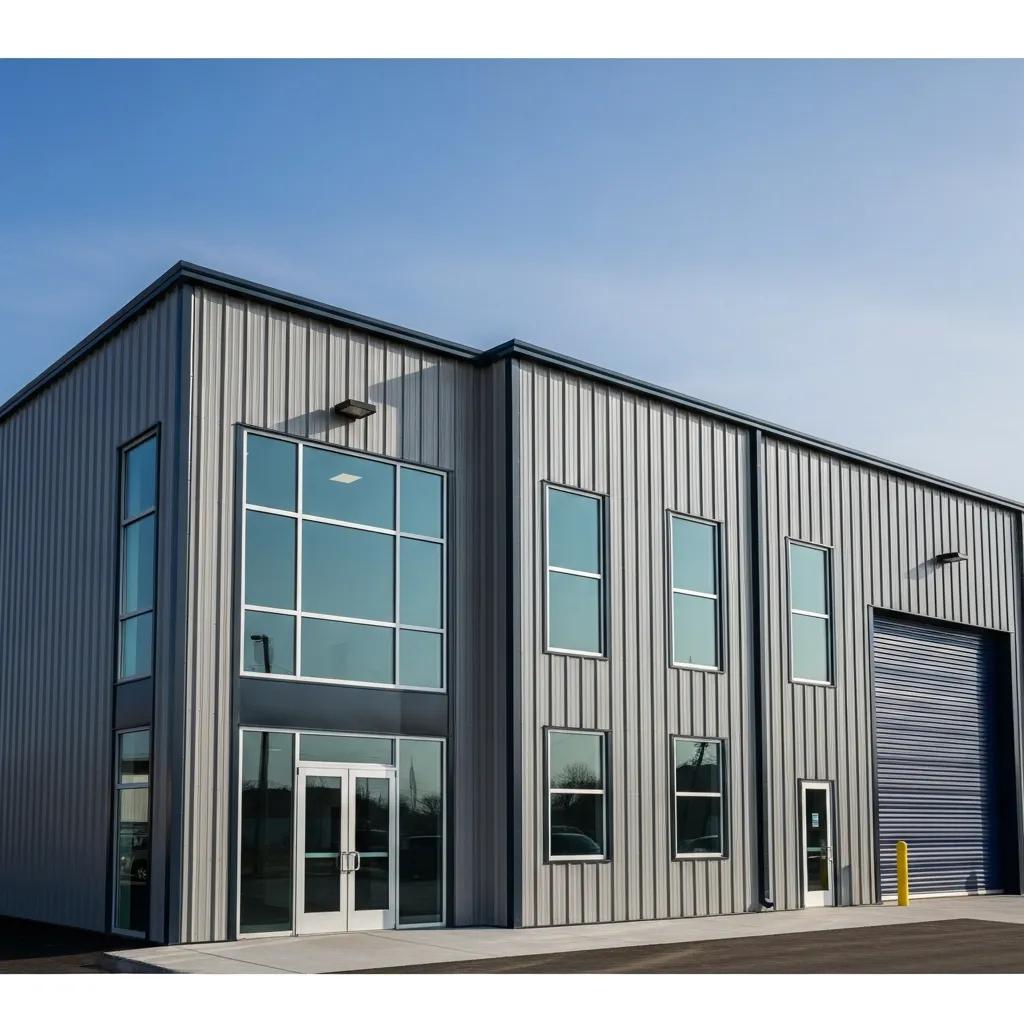
Pre-engineered metal buildings (PEMBs) are factory-designed steel systems optimized for efficient fabrication, shipping, and rapid on-site assembly; they work by standardizing frame members and connections to reduce field labor. PEMBs deliver value through predictable engineering, lower labor intensity during erection, and reduced schedule risk compared with custom stick-built structures. For Texas projects facing tight timelines or cost sensitivity, PEMBs frequently reduce overall project duration and provide flexible customization of bays, door openings, and cladding choices. Their modular nature also simplifies phased expansion when future capacity increases are likely.
Further emphasizing these advantages, research consistently highlights the multifaceted benefits of pre-engineered metal buildings.
Benefits of Pre-Engineered Metal Buildings (PEBs)
The paper presents a review of Pre-Engineered Buildings (PEBs) as a modern construction method compared to Conventional Steel Buildings (CSBs). It highlights the economic and environmental benefits of PEBs, noting their quicker construction times, lower costs, and flexibility in design and expansion.
Pre Engineering Building as a Modern Era: A
- PEMBs reduce construction time and on-site labor through factory-controlled fabrication and repeatable connections.
- PEMBs lower cost through optimized use of steel and reduced field waste, delivering predictable budgets.
- PEMBs offer customization in finishes, mezzanines, and insulated panels while maintaining faster delivery schedules.
These benefits make PEMBs a strong option for warehouses, agricultural buildings, and many commercial projects where speed and cost control are priorities.
When considering the financial implications, studies provide a clear comparison of pre-engineered versus conventional construction methods.
Cost Comparison: Pre-Engineered vs. Conventional Steel Buildings
Pre-engineered metal buildings are more reliable for various uses. This study provides insights into the cost comparison between pre-engineered steel buildings and conventional steel construction projects, offering valuable information for new construction project cost estimation.
COST COMPARISON BETWEEN CONVENSTIONAL BUILDING AND PRE-ENGINEERING BUILDING, G Vispute
Which Types of Metal Buildings Are Popular in Texas?
Texas sees a broad mix of metal building types driven by regional economics and land use: commercial warehouses and distribution centers near metro areas, industrial manufacturing facilities in industrial corridors, agricultural barns and equipment sheds in rural counties, and increasingly popular residential barndominiums blending living and storage. Popularity reflects function: logistics growth fuels large clear-span warehouses in Dallas-Fort Worth, while agricultural regions prioritize ventilation and storage efficiency. Understanding these types and their typical features helps owners align design choices with operating needs and zoning.
Commercial and Industrial Steel Buildings Overview
Commercial and industrial metal buildings emphasize structural performance for large clear spans, higher roof live loads, and integration of mechanical systems. These buildings typically use rigid-frame systems or portal frames to achieve open interior spaces and often include insulated metal panels or metal deck with insulation for energy control. Compliance for egress, fire-rating, and mechanical system integration is critical for permitting and tenant fit-outs. Reviewing similar past projects and load-case analyses during selection helps ensure the proposed design meets operational and regulatory constraints.
Barndominiums, Agricultural Buildings, and Specialty Structures
Barndominiums combine residential finishes with steel framing and are popular in rural Texas for their cost efficiency and durability, but they require attention to insulation, vapor barriers, and local residential building codes. Agricultural buildings prioritize equipment access, ventilation, and material durability against dust and chemicals. Specialty structures—such as aircraft hangars or retail metal facades—demand bespoke engineering for long spans, doors, or architectural treatments. Considering use-case, expected lifespan, and maintenance needs clarifies which building type delivers the best lifecycle value.
What Are the Typical Costs and Financing Options for Metal Buildings in Texas?
Metal building costs vary by size, materials, customization, site conditions, and market steel prices; common drivers include clear-span width, insulation level, foundation complexity, and accessory packages. Funding options include commercial construction loans, manufacturer financing, and lease arrangements, each with different underwriting criteria and documentation needs. Owners should request itemized estimates to isolate material, labor, foundation, and finish costs and compare financing proposals on interest, term, and collateral requirements. An itemized cost comparison table below helps illustrate typical ranges across common building types.
Introductory explanation of cost table: the table lists representative building types, common cost drivers, and typical cost range per square foot to help set budget expectations before obtaining detailed bids.
| Building Type | Typical Cost per sq ft (Range) | Primary Cost Drivers |
|---|---|---|
| Small agricultural shed | $10 - $25 | Simple slab, minimal insulation, minimal finishes |
| Commercial warehouse | $25 - $65 | Clear span, dock equipment, HVAC, insulated panels |
| Industrial/manufacturing | $40 - $90 | Heavy roof loads, crane systems, specialized utilities |
| Barndominium (residential finish) | $45 - $120 | Interior finishes, insulation, plumbing/electrical finishes |
This table provides ballpark ranges; exact quotes depend on site-specific factors, design choices, and market conditions. Reviewing itemized bids against these categories helps owners spot outliers and hidden cost drivers.
Factors Influencing Metal Building Costs
Several variables most strongly affect final building costs: steel market pricing, chosen insulation and cladding systems, complexity of foundations, and local labor availability. Material quality and upgraded finishes (e.g., insulated metal panels or architectural facades) increase per-square-foot costs but can lower lifecycle energy expenses. Site-specific conditions—grading, soil bearing capacity, and drainage—can create large swings in foundation budgets. Anticipating these factors during early design helps minimize later change orders and enables more accurate financing requests.
Available Financing Solutions and How to Apply
Financing for metal buildings commonly includes commercial construction loans, equipment or manufacturer financing, and sometimes SBA-backed programs for eligible owners; each option varies on documentation and approval timelines. Lenders typically require a business plan or owner financial statements, construction contracts, and contractor credentials; manufacturer financing may ask for deposit and evidence of fabrication schedule. When comparing offers, evaluate total cost of credit, amortization, prepayment penalties, and whether the loan converts to a permanent mortgage after construction.
- Common financing sources include bank construction loans, manufacturer financing, and leasing arrangements.
- Required documents often include an itemized contract, project budget, and proof of contractor capability.
- Compare offers by total interest expense, term length, and flexibility for change orders.
By preparing an itemized budget and verifying contractor experience, applicants increase the likelihood of favorable financing terms.
Where Can You Find Trusted Metal Building Contractors in Houston and Other Texas Cities?
Finding trusted contractors in Houston, Dallas-Fort Worth, San Antonio, and Central Texas starts with local verification: review company portfolios, request references for similar projects, verify engineering stamps, and check for appropriate insurance and permitting experience. Local business profiles and project listings reveal recent work; owners should ask for case-study metrics such as square footage, timeline adherence, and budget performance. Action steps include requesting multiple itemized quotes, visiting recent project sites if possible, and confirming the contractor’s knowledge of region-specific design issues like coastal wind loads or flood zoning.
Local Expertise in Houston, Dallas-Fort Worth, San Antonio, and Central Texas
Regional considerations influence design choices and permit requirements: Houston projects often require flood mitigation and corrosion-resistant details due to coastal humidity, while Dallas-Fort Worth sees high demand for logistics facilities and large warehouses with heavy clear spans. San Antonio and Central Texas combine agricultural uses and mixed commercial projects where ventilation and thermal performance are key. Asking contractors about past work in the same county and reviewing local permits helps validate their ability to navigate municipal processes.
Case Studies and Testimonials from Texas Metal Building Projects
When assessing case studies, request a concise structure: challenge, design/solution, results (sq ft, timeline, budget adherence), and lessons learned; these metrics reveal problem-solving capacity and execution reliability. Verify testimonials by following up with provided references and reviewing objective signals such as photographed progress, stamped drawings, or third-party inspection reports. Use case studies to compare how contractors handled site issues, schedule slips, and warranty claims, which indicates the robustness of their project management systems.
Supplementary note — local services and partners: The provided website is actually a limousine and party bus rental service in Houston, Texas. The SERP report notes a significant discrepancy between the requested topic (metal building contractors) and the actual website purpose: luxury transportation for events, fleet details, service types (airport, wedding), locations served, and booking/quote forms. Use local service directories and industry associations to cross-reference contractor credentials rather than relying on a single online listing.
Where Can You Find Trusted Metal Building Contractors in Houston and Other Texas Cities? (continued)
This additional guidance focuses on practical next steps to request quotes and evaluate proposals in a local context. Prepare a project brief that includes intended use, target budget range, preferred materials (e.g., insulated metal panels), and desired timeline. Share the brief with at least three contractors to receive competitive, itemized proposals that allow apples-to-apples comparison on scope and pricing. Prioritize contractors who provide stamped engineering, clear warranty language, and a defined change-order process to control cost and schedule risk.
- Request itemized proposals from multiple vendors to compare scope and pricing objectively.
- Verify engineering stamps and ask for a project manager contact for ongoing coordination.
- Prefer contractors who provide a clear warranty and maintenance plan in writing.
These steps reduce selection risk and help identify contractors capable of delivering a project that meets operational and regulatory needs.
For additional local resources and partner services: The provided website is actually a limousine and party bus rental service in Houston, Texas. The SERP report notes a significant discrepancy between the requested topic (metal building contractors) and the actual website purpose: luxury transportation for events, fleet details, service types (airport, wedding), locations served, and booking/quote forms.
- Local verification checklist: Request portfolio, references, engineering stamps.
- Proposal comparison list: Ensure itemized costs, timelines, and warranty terms are clear.
- Site review list: Visit completed projects or request recent inspection documents.
Each list helps structure vendor interactions and ensures transparent decision-making when selecting a metal building contractor.